d3MBA Store FiveM Scripts for QBCore & ESX
d3MBA Store delivers a focused catalog of FiveM scripts engineered for QBCore, ESX, and Qbox servers, with a reputation for clean code and roleplay-ready mechanics. Expect production-grade resources spanning jobs, economy systems, and player-facing utilities — built to drop into your server with minimal friction and scale cleanly under live player load.
Scripts in this category
3 products
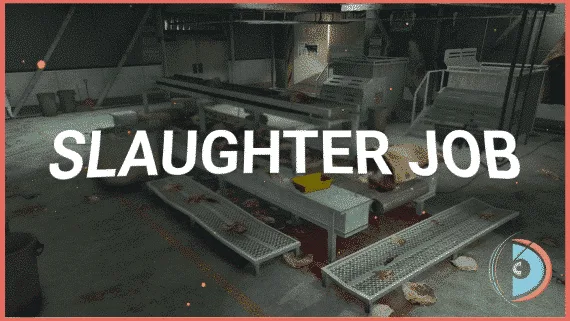
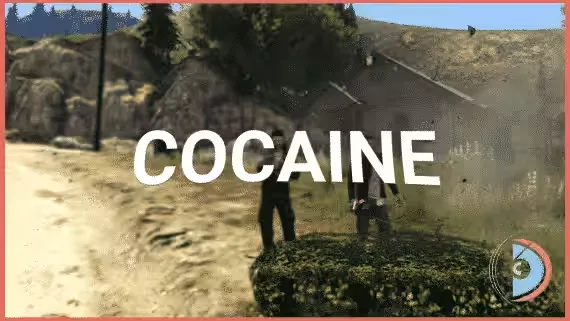
d3MBA Store is one of the recognisable names FiveM server owners run into when they're shopping for polished, gameplay-driven scripts. The catalog leans toward releases that feel finished out of the box — clean UI, sensible config, and the kind of small interaction details that separate a script you tolerate from one your players actually talk about.
For server owners building a roleplay city, the appeal is straightforward: d3MBA releases tend to slot into an existing QBCore or ESX framework without forcing a rewrite of your core systems. You drop the resource in, point it at your inventory and economy, and most of the heavy lifting is already done. That's the difference between a Saturday spent setting up new content for your players and a Saturday spent fighting with someone else's spaghetti.
This category page collects the d3MBA scripts available on the store, so you can browse the full lineup in one place rather than hunting between forum threads, outdated showcases, and Discord pinned messages. Everything here is current, downloadable straight after checkout, and tied to your account for future updates.
Signature work and style
The d3MBA style is recognisable once you've seen a few of their releases. Expect modern, custom UI work — not stock NUI templates with a logo slapped on, but interfaces designed around the specific job or system the script is built for. Menus tend to be keyboard-and-mouse friendly, animations are restrained rather than flashy, and the visual language stays consistent across a server when you run multiple of their resources side by side. Players notice that consistency even if they can't articulate it; it makes the city feel like one product rather than a stitched-together pile of resources.
On the code side, the focus is on resmon discipline and configurability. Loops are gated behind player state where possible, draw distance and tick rates are exposed in config, and the script doesn't sit at the top of your resmon chart at idle. For server owners juggling 64 or 128 player slots, that matters more than any feature list — the cheapest performance optimisation is buying scripts that didn't need optimising in the first place.
The other through-line is depth without bloat. d3MBA scripts tend to pick a system, build it out properly with the supporting features players actually use, and stop there. You don't get half-finished side mechanics bolted onto the main feature; you get one thing done well, with hooks for the rest of your stack to plug into. That makes the catalog easy to mix and match — you can pull in two or three resources from the store without ending up with overlapping job systems, duplicated notification UIs, or competing target interactions.
Compatibility & installation
Most d3MBA scripts ship with native support for both QBCore and ESX, and increasingly for Qbox as it picks up adoption across the roleplay scene. The framework bridge is usually exposed in a single config file or shared module, so swapping between QBCore and ESX is a matter of flipping a flag rather than editing handlers across the codebase. If your server runs ox_inventory, ox_lib, qb-target, ox_target, or qtarget, integration is generally a one-line config change rather than a refactor.
Installation follows the standard FiveM pattern — drop the resource into your resources folder, add it to server.cfg, run any included SQL, and edit config.lua for jobs, items, locations, and economy values. Documentation is shipped alongside the script and covers the framework-specific quirks, so you're not reverse-engineering setup from a Discord support channel. For servers running custom forks of QBCore or heavily modified ESX, expect to adjust the framework adapter — but the integration points are clearly marked rather than buried in the logic.
If you're running a hybrid stack — say, QBCore core with ox_inventory and a custom banking system — d3MBA's exports and events are documented well enough to hook your own systems in without forking the resource. That keeps you on the upgrade path when the next patch ships.
Why buy d3MBA scripts here
Buying d3MBA scripts through this store gets you instant delivery, purchases tied to your account for re-downloads when updates ship, and the same official licensing you'd get direct — without bouncing between separate creator stores for every resource. Pair that with a curated catalog vetted against current QBCore, ESX, and Qbox builds, and you're set up to ship new features to your server the same day you buy them.
Frequently asked questions
Are d3MBA scripts compatible with QBCore, ESX, and Qbox?
Yes — most d3MBA releases ship with native support for QBCore and ESX, and increasingly Qbox as adoption grows. The framework bridge is typically exposed through a single config file or shared module, so switching between frameworks is a flag flip rather than a code rewrite. Common stack pieces like ox_inventory, ox_lib, qb-target, ox_target, and qtarget are usually a one-line config change to enable.
How well do d3MBA scripts perform under live player load?
Performance discipline is a recognisable trait of the catalog — loops gated behind player state, draw distance and tick rates exposed in config, and idle resmon kept low. That matters more than any feature list when you're running 64 or 128 player slots. You should still benchmark on your own stack, but these resources are built to avoid sitting at the top of your resmon chart.
How customisable are d3MBA resources?
Configuration is a core focus across the catalog. Jobs, items, locations, economy values, draw distances, and tick rates are exposed in config.lua, and exports plus events are documented for hooking custom systems like bespoke banking or inventory forks. That keeps you on the upgrade path instead of forking the resource every time a patch ships.
What's the installation process for a d3MBA script?
Standard FiveM workflow — drop the resource into your resources folder, add it to server.cfg, run any included SQL, and edit config.lua to match your framework, jobs, and economy. Documentation ships alongside the script and covers framework-specific quirks for QBCore, ESX, and Qbox. Heavily modified core forks may need adapter tweaks, but integration points are clearly marked rather than buried.
What sets d3MBA scripts apart from other FiveM creators?
The signature is custom UI work designed around each specific system rather than reskinned NUI templates, paired with depth-without-bloat scope — one mechanic built out properly with the features players actually use. Visual and interaction language stays consistent across releases, so running multiple d3MBA resources side by side makes a server feel like one product instead of a stitched-together pile. Combined with resmon discipline, that's what keeps the catalog on shortlists for serious roleplay cities.
Will d3MBA scripts mix cleanly with resources from other creators?
Yes — the catalog is built around hooks rather than monolithic systems, so you can pull two or three d3MBA resources alongside scripts from other creators without overlapping job systems, duplicated notification UIs, or competing target interactions. Documented exports and events let your existing inventory, banking, or HUD plug in without forks. That's what makes the lineup easy to mix and match.
Why buy d3MBA scripts through this store?
You get instant delivery, purchases tied to your account for re-downloads when updates ship, and the same official licensing as buying direct — without bouncing between separate creator stores for every resource. The catalog is vetted against current QBCore, ESX, and Qbox builds, so you can ship new features to your server the same day you check out.